As Dubai moves into the cooler months, many families notice the same pattern: a child comes home from nursery or school with a runny nose, and within days the whole household is coughing. One of the viruses behind this is respiratory syncytial virus, better known as RSV. For most healthy children and adults it feels like a bad cold. For very young babies and older adults, it can be more serious, so knowing what to watch for matters.
This guide explains what RSV is, how to recognise it, what you can safely do at home, when to call a doctor, and how CareFirst’s DHA-licensed team can support your family without a trip to a waiting room.
What is RSV, and why does it matter in the UAE?
RSV is a common respiratory virus that infects the nose, throat and lungs. It spreads through coughs and sneezes, and through touching surfaces such as toys, door handles and tablets that carry the virus, then touching the face.
In the UAE, health authorities have given RSV growing attention. Federal health authority messaging has highlighted RSV vaccines as a preventive option for eligible older adults, and a maternal vaccine given during pregnancy (from around the 28th week) and infant antibody protection have been discussed as options to help protect newborns. Eligibility, timing and availability vary, so always confirm what applies to your family with your doctor.
Because Dubai families spend so much time in air-conditioned malls, nurseries, classrooms and play areas, respiratory viruses can pass easily from child to child and then to grandparents and newborn siblings.
Common RSV symptoms
RSV usually begins like a common cold. Symptoms often appear in stages over a few days:
- Runny or blocked nose
- Cough, which may become more persistent
- Sneezing
- Mild fever
- Reduced appetite
- In babies: fussiness, tiredness and feeding less than usual
Most babies recover within one to two weeks. However, symptoms can sometimes move down into the chest, causing wheezing and faster breathing.
Who is at higher risk?
RSV can affect anyone, but some groups need extra attention:
- Young infants, especially in their first months of life
- Premature babies
- Children with heart or chronic lung conditions, or weakened immunity
- Older adults, particularly those with asthma, COPD, heart disease or diabetes
- Adults with weakened immune systems
If someone in your home belongs to one of these groups, it is sensible to speak to a doctor early rather than waiting to see whether symptoms settle.
When to seek urgent medical help
Some signs mean a child or adult needs prompt assessment. Go to the nearest emergency department or call 998 if you see:
- Blue or grey colour around the lips, tongue or fingernails
- Pauses in breathing, or very fast or laboured breathing
- Nostrils flaring or the chest pulling in with each breath
- Extreme drowsiness or difficulty waking
- Signs of dehydration, such as fewer wet nappies, a dry mouth or no tears
- A fever in a baby under two months old
These are emergencies. Do not wait for a home visit.
When a doctor at home can help
Many situations fall between “just a cold” and “emergency”. A baby who is feeding less, a toddler with a cough that keeps worsening overnight, or a grandparent who feels breathless with a cold: these are the moments when a clinical check is reassuring.
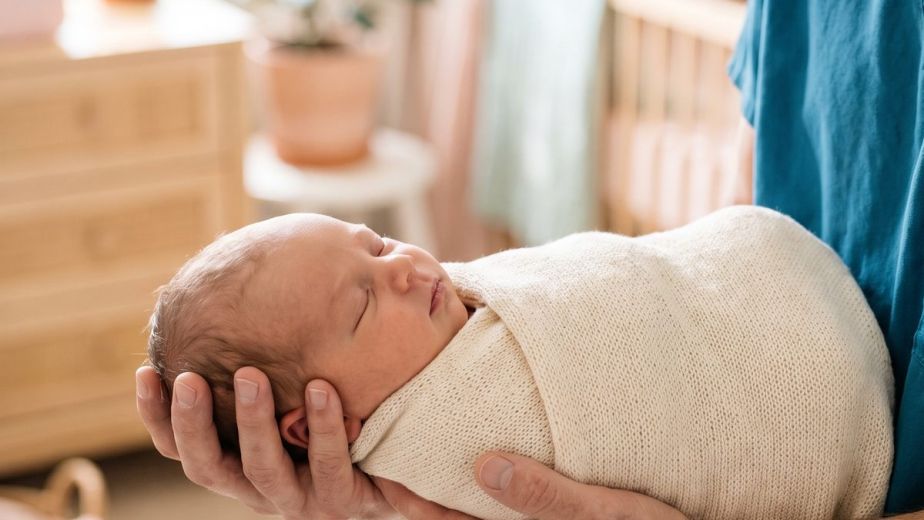
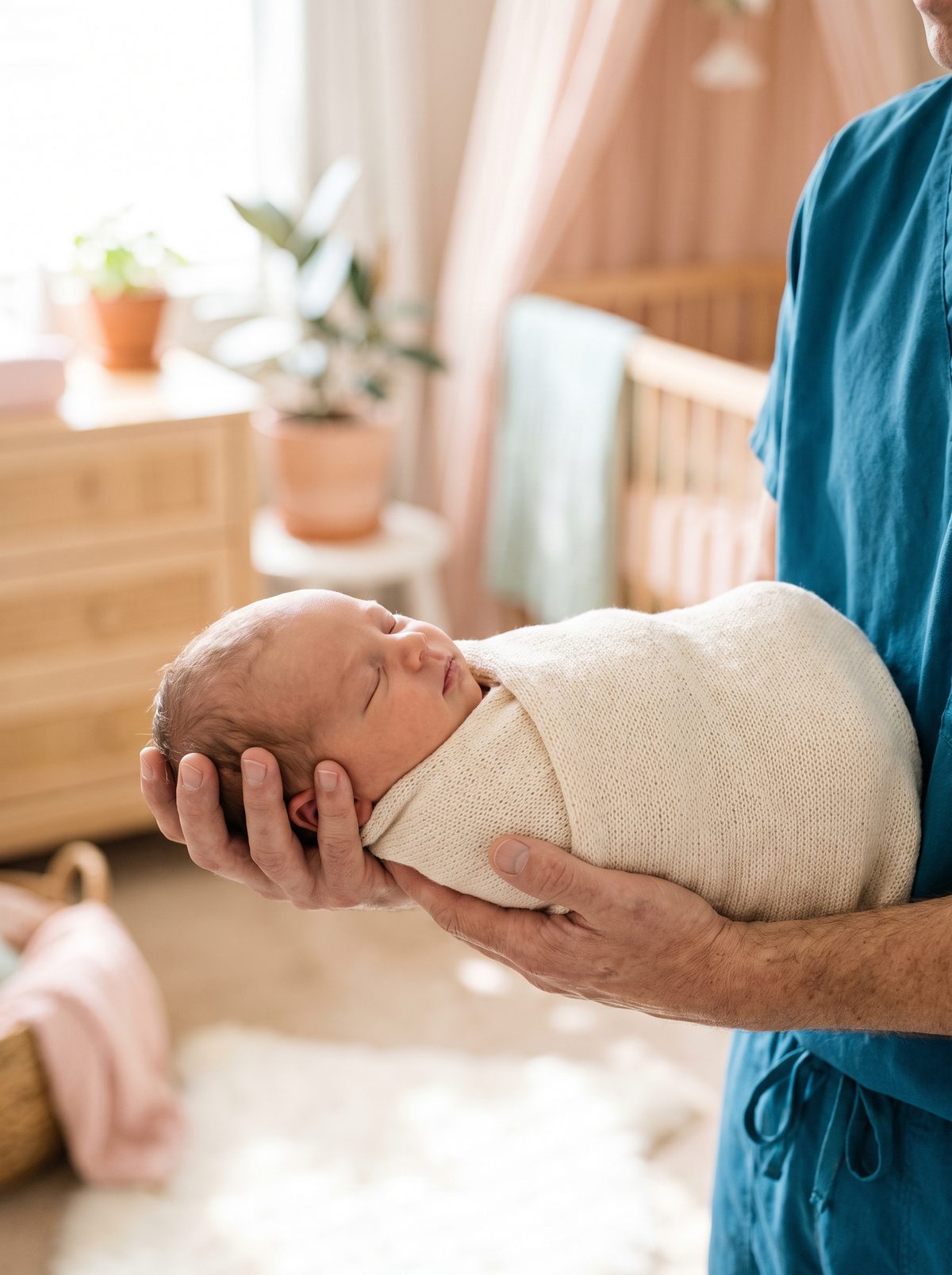
A doctor at home can examine your loved one in a familiar, comfortable setting, listen to the chest, check temperature and oxygen levels, assess hydration and advise whether home care is enough or whether hospital assessment is the safer step. This is especially valuable for newborns and young babies, who are best kept away from crowded waiting rooms during virus season.
What a visit usually covers
- A full history of symptoms and how long they have lasted
- Physical examination, including breathing and chest sounds
- Temperature and oxygen level checks
- Guidance on fluids, rest and comfort measures
- Clear advice on warning signs and when to escalate
Safe home care while recovering
For mild RSV, supportive care is the foundation. Here is what families commonly do, alongside advice from their doctor:
- Offer plenty of fluids. Frequent small breastfeeds or bottle feeds for babies; water, soups and diluted juices for older children and adults.
- Clear the nose gently. Saline drops and a soft bulb syringe can help a blocked baby nose, particularly before feeds and sleep.
- Keep the air comfortable. Avoid setting air conditioning very cold. A clean humidifier can help some people, but it must be kept clean.
- Keep the head slightly raised for older children and adults while resting. Do not use pillows or wedges in a baby’s cot; follow safe sleep guidance.
- Avoid smoke. Cigarette, shisha and incense smoke can irritate the airways.
- Let them rest. Keep children home from nursery and school until they are well enough and no longer feverish.
Always check with a doctor before giving any medicine to a baby or young child, and never give adult medicines to children.
Caring for an older family member
RSV is often overlooked in adults, but it can cause real difficulty for older people, especially those with long-term conditions. If a grandparent has a cold that is turning into wheeze, breathlessness, confusion or unusual tiredness, arrange a check promptly.
A nurse at home can monitor vital signs, support hydration, help with medicines already advised by their physician and keep the family informed on how they are progressing. For many families, this is far easier than taking an unwell parent or grandparent across the city.
How to reduce the spread at home
You cannot eliminate every virus, but these habits make a real difference:
- Wash hands often with soap and water, especially after school or nursery runs
- Cover coughs and sneezes with a tissue or your elbow
- Wipe frequently touched surfaces and shared toys
- Avoid kissing babies when you have cold symptoms
- Ask visitors with a cough or runny nose to postpone their visit to a newborn
- Keep seasonal vaccines, such as the flu vaccine, up to date as advised by your doctor
If you have a newborn at home, our baby care service offers practical, in-home support for feeding, monitoring and newborn health checks, which is helpful during respiratory season.
Frequently asked questions
Is RSV the same as the flu?
No. They are different viruses, although symptoms can look similar. A doctor can help work out what is causing a child’s or adult’s illness. A flu vaccine does not protect against RSV.
How long does RSV last?
Most people recover within one to two weeks, although a cough can linger a little longer. Babies and people with other health conditions should be watched closely, as symptoms can worsen around days three to five.
Can adults get RSV?
Yes. In healthy adults it often feels like a cold, but older adults and those with conditions such as asthma, COPD or heart disease can become more unwell.
Is there an RSV vaccine in the UAE?
UAE health authorities have highlighted RSV prevention options, including vaccines for eligible older adults and protective measures for infants. Eligibility and availability differ, so speak to your doctor about what is right for your family.
Can a doctor see my baby at home?
Yes. A DHA-licensed doctor can visit your home in Dubai to assess your baby, advise on care and explain when hospital review is needed.
Book a home visit with CareFirst
Since 2005, CareFirst Home Health Care Center has brought DHA-licensed doctors, nurses, physiotherapists and baby care specialists to families across Dubai. If you are worried about a persistent cough or breathing in a child or older relative, we are here to help. You can also contact us online.
Call or WhatsApp: +971 58 947 4302
This article is for general information only and is not a substitute for professional medical advice. Always consult a licensed physician.