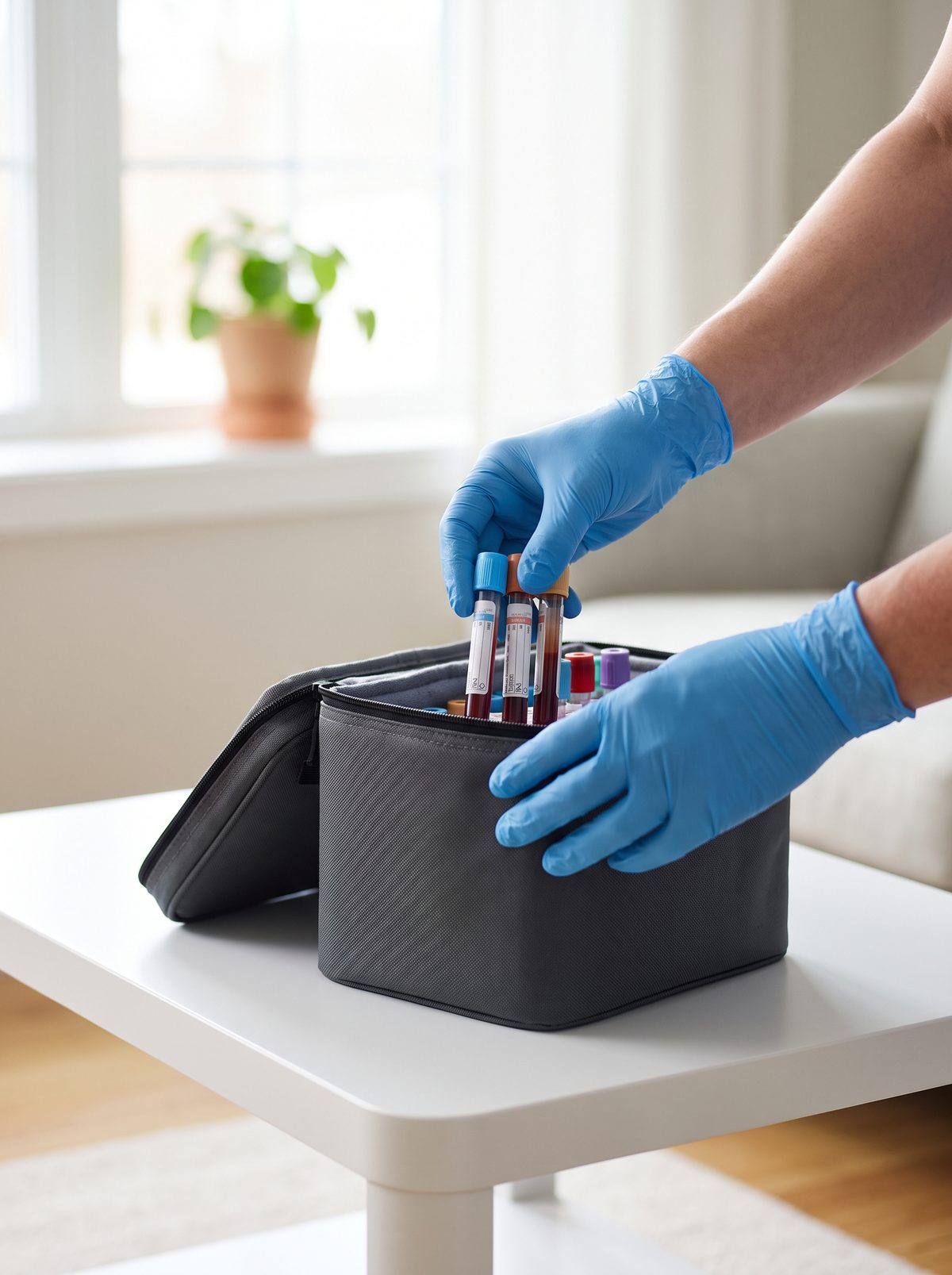
After the summer heat and the back-to-school rush, autumn is a natural moment for Dubai families to pause and ask: when did we last check our numbers? A routine blood test is one of the simplest ways to get a clear picture of your health, and in Dubai you no longer need to take time off work or sit in a waiting room to get one. This guide explains what a health check-up blood panel usually covers, who may benefit from one, and how blood tests at home in Dubai work.
Why Autumn Is a Good Time for a Check-Up
Dubai life is busy. Long summer travel, disrupted routines, irregular meals and less outdoor activity in the heat can all leave their mark. As temperatures ease and the new school and work year settles in, many people finally have the energy to look after themselves.
A check-up is also useful because many common conditions, such as raised blood sugar or high cholesterol, often cause no obvious symptoms in the early stages. Testing is how they are found.
What a Typical Health Check Blood Panel Includes
Clinics build packages differently, and your doctor will recommend what fits your age, family history and lifestyle. Commonly included tests are:
- Complete blood count (CBC): looks at red cells, white cells and platelets, and can point towards anaemia or infection.
- Blood sugar: fasting glucose, and often HbA1c, which reflects average blood sugar over roughly the last two to three months.
- Lipid profile: total cholesterol, LDL, HDL and triglycerides, which relate to heart health.
- Liver and kidney function: markers that show how these organs are coping.
- Urine test: a simple screen that can pick up infection or kidney-related changes.
Other tests, such as thyroid function, vitamin D or iron studies, may be added when your doctor thinks they are relevant. Vitamin D is a common one to discuss, as many residents spend most of their time in air-conditioned spaces.
Blood pressure and BMI
These are not blood tests, but they are usually checked at the same time. A home visit can include them, giving a fuller picture in one appointment.
Who Should Think About Regular Testing?
Everyone can benefit from periodic check-ups, but some groups have particular reasons to be proactive:
- Adults with a family history of diabetes, heart disease or high blood pressure.
- People who are overweight, or who have a mostly sedentary desk-based routine.
- Adults over 35 to 40, when screening conversations with a physician typically begin. Some clinicians now suggest starting diabetes screening earlier than 45, so it is worth asking.
- Older parents or grandparents who find clinic visits tiring.
- People with long-term conditions who need regular monitoring.
- New parents and caregivers who struggle to find time for their own health.
How often to test is an individual decision. Your doctor may suggest yearly testing, or a different schedule based on your results and risk factors.
How Blood Tests at Home Work in Dubai
With a home sample collection service, the process is straightforward:
- Book: call or WhatsApp with the tests you need, or ask for guidance on a suitable panel.
- Fasting instructions: you will be told whether to fast beforehand. Many panels, such as fasting glucose and lipids, are best taken in the morning after fasting.
- Visit: a licensed nurse arrives at your home or office at the agreed time, with sterile equipment.
- Sample collection: a short procedure, usually a few minutes.
- Results: the sample goes to a licensed laboratory, and your report is shared once ready. A doctor can then help you understand it.
CareFirst has provided home healthcare in Dubai since 2005, with DHA-licensed staff. You can read more about our blood sample collection at home service.
Tips for Preparing for Your Test
- Follow the fasting instructions you are given. Water is usually fine unless told otherwise.
- Drink water beforehand, as being well hydrated can make sample collection easier.
- Tell the nurse about any medicines or supplements you take, and about any history of fainting during blood draws.
- Wear a top with sleeves that roll up easily.
- Keep your Emirates ID and any previous results nearby for reference.
- Have a light meal ready for afterwards if you fasted.
Understanding Your Results
A report full of numbers and abbreviations can be confusing, and a value slightly outside a reference range does not automatically mean something is wrong. Reference ranges vary between laboratories, and results must be read in context: your age, symptoms, history and lifestyle.
That is why it helps to talk results through with a physician. If you would like to do that without leaving home, our doctor at home service can review your results and advise on next steps. Avoid searching online and drawing your own conclusions from single values.
When to see a doctor sooner
Do not wait for a routine check-up if you notice persistent tiredness, unexplained weight changes, increased thirst, frequent urination, chest discomfort, shortness of breath or any other symptom that worries you. For emergencies, call 998 or 999 immediately.
Beyond the Blood Draw: Supporting Healthy Habits
Testing is a starting point. If your results suggest changes, small steady habits usually matter most:
- Walk regularly. Dubai’s cooler months make parks, beaches and walkways far more pleasant.
- Balance meals with vegetables, whole grains and lean protein, and go easy on sugary drinks.
- Prioritise sleep and manage stress.
- Stay hydrated throughout the year, not only in summer.
For ongoing support such as wound care, monitoring or help for an older relative, a nurse at home can visit on a regular schedule.
Frequently Asked Questions
Do I need to fast before a blood test?
It depends on the tests. Fasting glucose and lipid profiles usually require fasting, while many others do not. When you book, the team will tell you exactly what to do.
Is a home blood test as reliable as one at a clinic?
The sample is collected by a licensed nurse using sterile single-use equipment and processed by a licensed laboratory, so the testing process is the same. The difference is that you stay in the comfort of your home.
How long do results take?
Many routine tests are reported within a day or so, while specialised tests can take longer. You will be given an estimate when you book.
Can children or older adults have blood tests at home?
Yes. Home collection can be particularly helpful for young children, who are often calmer in familiar surroundings, and for older adults who find travelling difficult. Let the team know the age and any concerns in advance.
Can I order a specific test my doctor requested?
Yes. Share the list of tests and our team will arrange the collection. If you are unsure which tests you need, ask for guidance when you call.
Book Your Home Blood Test in Dubai
Ready to check in on your health without the queue? Call or WhatsApp CareFirst on +971 58 947 4302 to book a nurse visit, or contact us online. We are happy to help you choose the right tests and fit the visit around your day.
This article is for general information only and is not a substitute for professional medical advice. Always consult a licensed physician.