The 10th Dubai Fitness Challenge runs from 31 October to 29 November 2026. The idea is simple and free to join: 30 minutes of activity a day for 30 days. For many families that means a first run in months, a return to the gym, or a Friday-morning ride. It is also the time of year when we hear from people with sore knees, tight calves and nagging shoulders. This guide explains how to start safely, what to do if you get hurt, and when physiotherapy at home can help.
Why Fitness Challenge injuries are so common
Most sports injuries are not dramatic. They build up when the body is asked to do more than it is ready for. In the first two weeks of a challenge, we commonly see:
- Doing too much, too soon: going from no exercise to daily hard sessions.
- Skipping the warm-up: cold muscles and tendons are less forgiving.
- Worn or unsuitable shoes: old trainers lose cushioning and support.
- Repeating one activity: running every day loads the same joints every day.
- Ignoring early warning signs: pushing through pain that is getting worse.
Common injuries and what they feel like
Runner’s knee and shin pain
A dull ache around or behind the kneecap, or pain along the shin bone, often appears after a sudden jump in distance or in hard pavement running. Easing back on volume and building leg strength usually helps.
Muscle strains
Hamstrings, calves and groin muscles are the usual victims. You may feel a sudden pull or tightness, sometimes with bruising. A mild strain often settles with relative rest and a guided return to activity.
Ankle sprains
Rolling an ankle on a kerb, a padel court or a football pitch is very common. Swelling and difficulty putting weight on the foot are signs it should be checked.
Lower back and shoulder niggles
Cycling, paddleboarding, weights and even yoga can aggravate the back or shoulders if technique or flexibility is limited. Pain that spreads down a leg or arm, or comes with numbness, deserves a medical check.
How to start the challenge safely
- Begin gently. Thirty minutes a day does not have to be intense. Walking counts.
- Warm up for 5–10 minutes with easy movement before faster work.
- Mix activities across the week: walking, swimming, cycling, strength and stretching.
- Schedule rest days or very light days, especially in the first fortnight.
- Replace tired shoes before you start.
- Drink water before, during and after sessions, even though the weather is cooler in November.
- Build up gradually rather than adding time and intensity together.
What to do in the first 48 hours after an injury
For a minor strain or sprain, a sensible approach is to reduce the activity that hurts, keep gently moving within comfort, and avoid anything that makes pain sharply worse. Cold packs wrapped in a cloth can ease swelling for short periods. Avoid massaging or stretching hard into a fresh injury.
Seek urgent medical care if you cannot bear weight, see an obvious deformity, have severe swelling, numbness, chest pain, dizziness or shortness of breath. For concerns that are not an emergency, a doctor at home can examine you, rule out red flags and advise whether imaging or specialist review is needed.
How physiotherapy at home helps
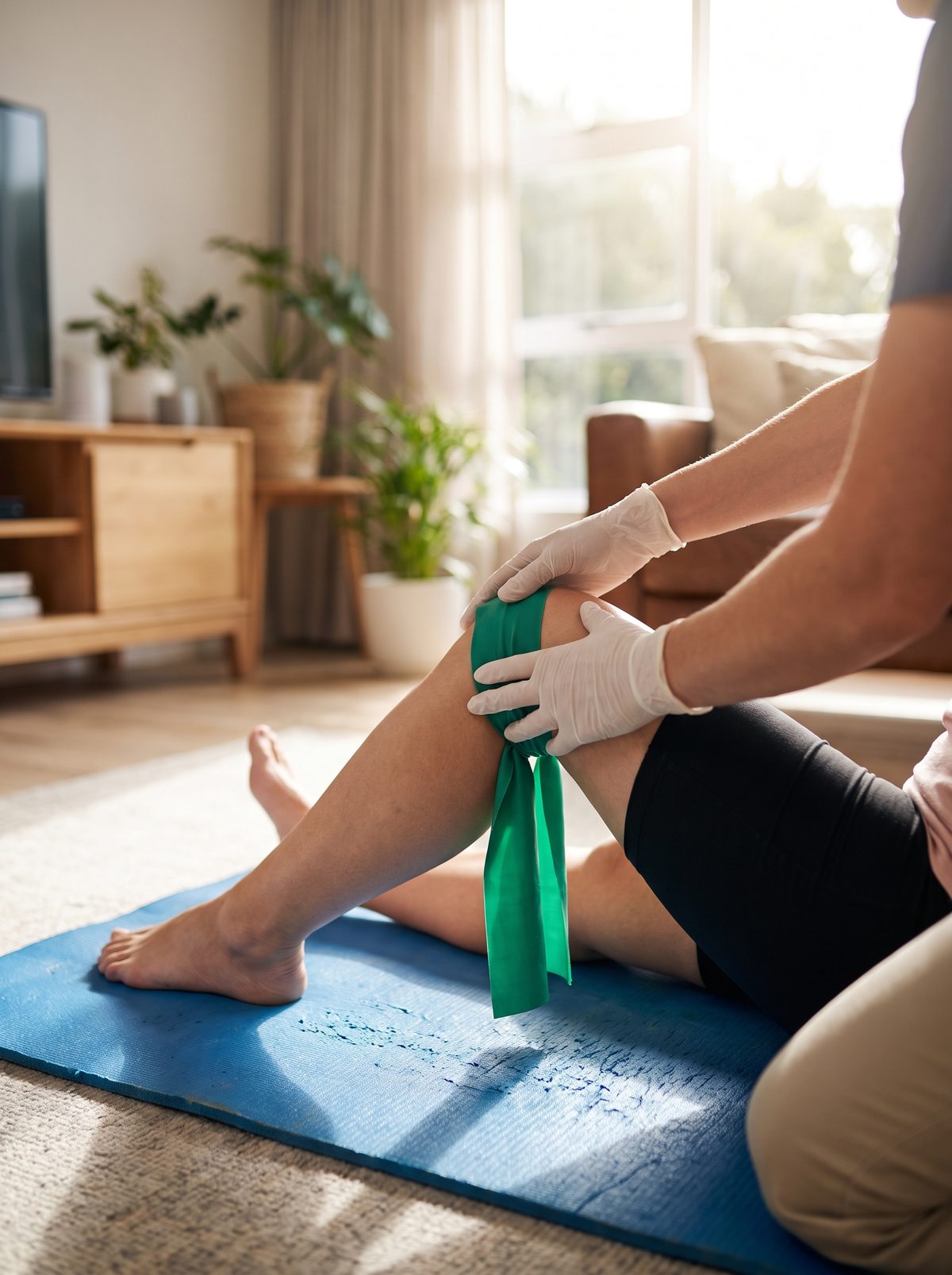
A licensed physiotherapist looks at how you move, not only where it hurts. With physiotherapy at home in Dubai, sessions take place in your living room, so there is no traffic and no waiting room, which is especially helpful when walking is painful.
A typical home programme may include:
- An assessment of the injury, your training history and daily routine.
- Hands-on techniques to ease stiffness and muscle tension where appropriate.
- Targeted strengthening and mobility exercises you can repeat between visits.
- Advice on pacing, footwear, warm-ups and technique.
- A step-by-step plan for returning to your challenge activity.
Recovery time depends on the injury and the person, so no therapist can promise a fixed outcome. What good rehabilitation does is give you a clear, safe plan.
Other ways home care can support an active month
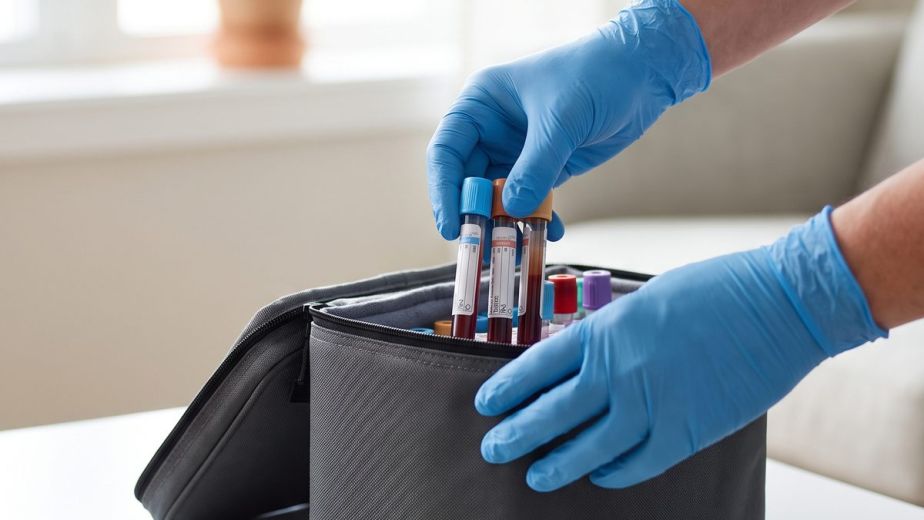
- Blood tests before you start: if you are returning to exercise after a long break or have a health condition, ask your doctor whether a check-up is sensible. Blood sample collection at home saves a trip to the lab.
- Nursing support: after a procedure or for wound care, a nurse at home can help.
Tips for different family members
Children and teenagers
Growing bodies need variety. Encourage different games rather than one repeated sport, and take pain complaints seriously.
Adults over 40
Tendons and joints take longer to adapt. Strength work twice a week and longer warm-ups are valuable.
People with long-term conditions
If you have heart, blood pressure, diabetes or joint conditions, speak to your physician before significantly increasing activity.
A simple four-week plan for beginners
If you have not exercised regularly, this gentle structure keeps the 30-minute goal realistic while protecting your joints.
- Week 1: brisk walking or easy swimming, with light stretching afterwards. Focus on routine, not speed.
- Week 2: add two short strength sessions using body weight, such as squats to a chair, glute bridges and wall push-ups.
- Week 3: introduce one slightly harder session, for example a longer walk, an easy ride or intervals of fast and slow walking.
- Week 4: keep your favourite activities, include one fun group event, and continue with rest days.
Listen to your body. Muscle soreness that eases within a day or two is normal. Pain that is sharp, one-sided, getting worse, or that wakes you at night is a reason to pause and get assessed.
Signs you should not wait
Many aches settle on their own, but arrange a medical or physiotherapy assessment if you notice any of the following:
- Pain that has not improved after a week of reduced activity.
- Swelling that keeps returning after exercise.
- A joint that feels unstable, locks or gives way.
- Pain that changes how you walk or move.
- Tingling or weakness in an arm or leg.
Early assessment often means a simpler recovery plan and less time away from the activities you enjoy.
Frequently asked questions
When is the Dubai Fitness Challenge 2026?
The 10th edition runs from 31 October to 29 November 2026, with 30 minutes of daily activity encouraged over 30 days. Check dubaifitnesschallenge.com for the latest event details.
Should I see a physiotherapist or a doctor first?
If you have severe pain, cannot bear weight, or have numbness, see a doctor first. For ongoing muscle or joint pain after sport, physiotherapy is often a good next step, and a doctor can refer you on if needed.
Can physiotherapy be done at home in Dubai?
Yes. A licensed physiotherapist can assess you and guide exercises at your home. Equipment needs are usually modest.
How do I avoid injury if I am new to exercise?
Start with easy activity, warm up, vary your sessions, rest, and increase gradually. If pain keeps getting worse, stop and get advice.
How can I book a visit?
Call or WhatsApp us, or use our contact page. We will arrange a suitable time.
Book a home physiotherapy visit
CareFirst Home Health Care Center has served Dubai families since 2005, with DHA-licensed doctors, nurses and physiotherapists. Call or WhatsApp us on +971 58 947 4302 to book.
This article is for general information only and is not a substitute for professional medical advice. Always consult a licensed physician.