When the weather cools and schools are back in full swing, many Dubai parents notice the same pattern: a runny nose on Monday, a cough by Wednesday, and a restless night by the weekend. Respiratory viruses, including influenza and respiratory syncytial virus (RSV), tend to circulate more in the cooler months, and young children are among those most affected. This guide explains what is normal, what needs a doctor, and how to care for a child with a cough or cold at home in Dubai.
Why Children Catch More Coughs and Colds in Autumn
Children spend long hours in classrooms, nurseries and play areas, share toys and water bottles, and are still building their immunity. Add a move between hot outdoors and strongly air-conditioned indoor spaces, and it is easy to see why coughs and colds spread quickly through families.
Doctors in the UAE regularly remind parents that respiratory illnesses become more common in colder months and that early medical attention matters for symptoms such as a cold, cough or sore throat. Babies, older adults, pregnant women and people with chronic conditions are generally more vulnerable to complications.
Cold, Flu or RSV? What Parents Usually Notice
These illnesses overlap, and only a clinician can tell them apart reliably. Still, a few patterns can help you describe symptoms accurately.
Common cold
- Runny or blocked nose, sneezing, mild sore throat
- Low or no fever
- Child still eats, drinks and plays reasonably well
Influenza
- Sudden fever, body aches, tiredness and chills
- Dry cough and headache
- Child looks clearly unwell and wants to lie down
RSV
- Starts like a cold, then cough can become more persistent
- In babies and toddlers, may cause fast or noisy breathing and wheezing
- Feeding can become difficult because breathing takes more effort
Warning Signs: When to Get Urgent Help
Most childhood colds settle on their own, but some signs mean your child should be seen promptly. Call emergency services (998 for an ambulance in the UAE) or go to the nearest emergency department if you notice:
- Fast, laboured or noisy breathing, or the skin pulling in between the ribs
- Blue or grey colour around the lips or face
- A baby who is very sleepy, hard to wake, or refusing most feeds
- Signs of dehydration: no wet nappy for many hours, dry mouth, no tears
- Fever in a baby under three months
- Seizure or confusion
If you are unsure, it is always reasonable to call a doctor and describe what you see.
Caring for a Child With a Cold at Home
Comfort and hydration are the foundations of home care for mild illness.
- Offer fluids often. Water, milk feeds, and oral rehydration solutions if advised by a doctor. Small, frequent sips work better than large amounts.
- Let them rest. Sleep helps the body recover, so keep school days off until the fever has settled and your child is eating and playing again.
- Clear the nose gently. Saline drops or spray can loosen mucus, especially before feeds and bedtime for babies.
- Raise the head slightly for older children who are comfortable sleeping with an extra pillow. Never place pillows in a baby’s cot.
- Keep the room comfortable. Set air conditioning to a moderate temperature rather than very cold, and avoid direct airflow on your child.
- Avoid smoke and strong fragrances. These irritate already sensitive airways.
- Use medicines only as directed by a doctor. Dosing for children depends on weight and age, and some cough and cold products are not suitable for young children.
Protecting the Rest of the Family
Respiratory viruses move quickly through households. A few habits make a real difference:
- Wash hands with soap and water, especially after coughing, sneezing and before meals.
- Teach children to cough into an elbow rather than their hands.
- Do not share cups, bottles or cutlery while someone is ill.
- Keep newborns away from people with cold symptoms where possible.
- Ask your doctor about seasonal flu vaccination for children and adults, and about options to protect infants from RSV during the season, including through pregnancy. Eligibility and timing are set by UAE health authorities, so confirm current guidance with a licensed clinician.
Why a Home Visit Can Help When Your Child Is Unwell
A sick child is often miserable in the car, and waiting rooms are exactly where you do not want a feverish toddler or a newborn sibling. A home visit lets a doctor examine your child in a familiar, calm setting, check temperature, breathing, throat and ears, and explain what to do next.
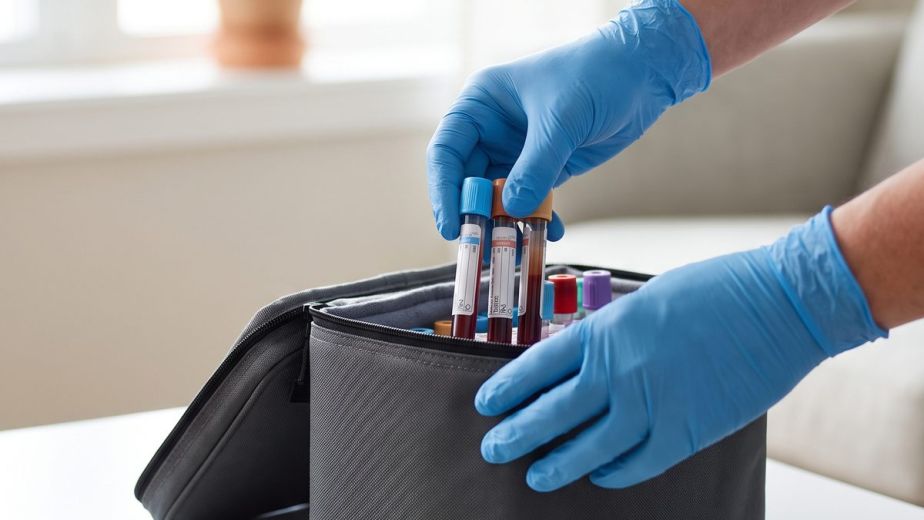
With a doctor at home, you can have a licensed physician assess your child’s cough, fever or sore throat without leaving the house. Depending on the findings, the doctor may recommend further tests, and a blood sample can be collected at home when needed, so you do not have to take a tired child to a laboratory.
Support for Newborns and Young Babies
Babies breathe mainly through the nose, so even a simple blocked nose can disturb feeding and sleep. If you have a newborn at home and a sibling brings back a cold from school, ask for professional guidance early. Our baby care service supports families with newborn feeding, hygiene and monitoring, and can help you recognise when a baby needs to be seen by a doctor.
What to Prepare Before the Doctor Arrives
- Note when symptoms began and how they have changed
- Record temperature readings and the time you took them
- List any medicines already given, with doses and times
- Note feeding and drinking amounts, and the number of wet nappies
- Have your child’s vaccination record and Emirates ID or insurance details ready
Frequently Asked Questions
How long does a child’s cold usually last?
Many colds improve within about a week, although a cough can linger longer. If fever lasts more than a few days, symptoms worsen, or your child seems to be struggling to breathe, see a doctor.
Should my child stay home from school with a cough?
Generally yes if there is fever, significant tiredness, or breathing difficulty. Children can return when they feel well enough to take part in class and fever has settled, following your school’s own policy.
Can a doctor visit us at home in Dubai for a child’s fever or cough?
Yes. CareFirst’s DHA-licensed doctors can assess children at home across Dubai, and our team will advise if hospital care is more appropriate.
Is RSV the same as the flu?
No. They are caused by different viruses, although symptoms can look similar. A clinician can assess your child and advise on testing and care.
Are antibiotics needed for a cold?
Colds and most coughs are caused by viruses, and antibiotics do not work against viruses. A doctor will decide whether any treatment is appropriate after examining your child.
Book a Home Visit With CareFirst
CareFirst Home Health Care Center has served Dubai families since 2005, with more than 300 DHA-licensed professionals. If your child has a cough, fever or cold that is worrying you, call or WhatsApp us on +971 58 947 4302 or contact us online to arrange a visit.
This article is for general information only and is not a substitute for professional medical advice. Always consult a licensed physician.